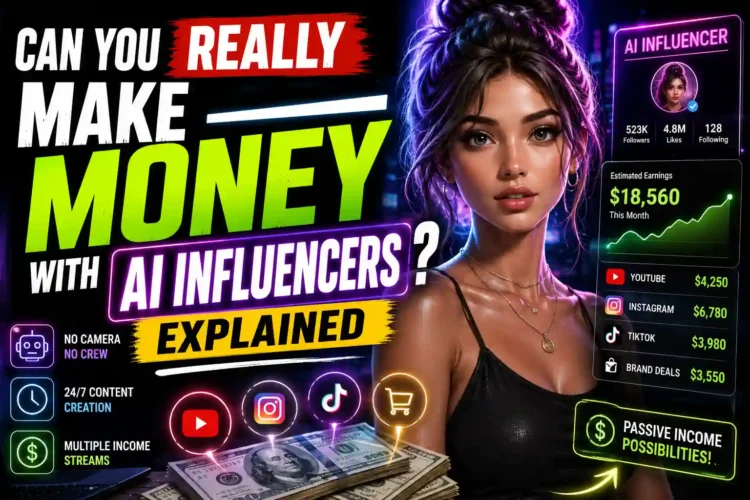
The digital landscape is shifting rapidly as synthetic personalities begin to dominate social media feeds across the United States. These virtual stars capture attention by blending advanced technology with creative storytelling. Many creators now wonder if these digital entities provide a path to financial success.
Understanding the intersection of modern software and marketing is essential for anyone looking to enter this space. Strategic brand partnerships and automated content creation are turning these virtual figures into viable income streams. This evolution represents a significant shift in how we perceive online fame and professional growth.

By exploring this new frontier, we uncover how synthetic characters build loyal audiences. Success depends on consistency and a deep understanding of current market trends. We will examine the potential profitability of this career path to help you navigate the future of digital branding.
Key Takeaways
- Synthetic personalities are reshaping the digital marketing landscape in the United States.
- Advanced technology allows creators to build engaging virtual characters from scratch.
- Brand partnerships serve as a primary revenue source for these digital entities.
- Consistency in content delivery remains vital for audience growth and retention.
- Understanding market trends helps maximize the financial potential of virtual stars.
The Rise of Virtual Personalities in Digital Marketing
The digital landscape is undergoing a massive transformation as virtual personalities take center stage. These computer-generated figures are no longer just science fiction; they are active participants in the modern economy. As digital marketing trends continue to evolve, businesses are finding that these characters offer a unique way to capture attention in a crowded online space.
read also
Understanding the AI Influencer Phenomenon
At its core, the AI influencer phenomenon is driven by advancements in generative technology and machine learning. These synthetic creators are crafted with specific backstories, visual styles, and personality traits designed to appeal to niche audiences. By blending high-end digital artistry with social media strategy, they can maintain a consistent presence that feels both authentic and aspirational.
“The future of influence is not limited by biology; it is limited only by the imagination of the creators behind the screen.”
Why Brands Are Turning to Synthetic Creators
Major corporations are increasingly investing in these digital assets to gain unparalleled control over their messaging. Unlike human influencers, these virtual personalities do not suffer from fatigue or public scandals, which significantly enhances brand safety. This level of predictability allows companies to maintain a perfectly curated image across all platforms.
Furthermore, these tools are highly effective at reaching younger, tech-savvy demographics who value innovation. By leveraging digital marketing trends, brands can deploy these assets to engage users in ways that feel native to the digital environment. As the industry matures, the adoption of these synthetic creators will likely become a standard practice for global marketing teams looking to stay ahead of the curve.
Can You Really Make Money with AI Influencers
If you are curious about the bottom line, the answer to whether can you really make money with AI influencers is a resounding yes. These digital entities are rapidly becoming major players in the creator economy. By leveraging advanced technology, creators are building scalable businesses that operate around the clock.
The Economics of Virtual Brand Ambassadorships
At the core of AI influencer economics lies the concept of the virtual brand ambassadorship. Unlike human creators, these personalities offer brands total control over messaging and visual consistency. This reliability makes them highly attractive for long-term marketing campaigns.
Companies often sign these synthetic stars to exclusive virtual brand ambassadorships. These contracts function similarly to traditional celebrity endorsements but with lower overhead costs. Because the influencer never ages or faces public scandal, the investment risk for the brand is significantly reduced.
Revenue Streams Beyond Traditional Sponsorships
Smart creators do not rely solely on one-off posts to generate income. They diversify their revenue by tapping into multiple digital channels. This multi-faceted approach ensures that the business remains profitable even if social media algorithms shift.
Beyond standard sponsorships, many virtual creators sell exclusive digital assets or subscription-based content. They also utilize affiliate marketing to earn commissions on products they feature. The following table outlines how these diverse income streams compare in terms of effort and potential return.
| Revenue Stream | Effort Level | Scalability | Primary Benefit |
|---|---|---|---|
| Brand Sponsorships | Medium | High | High Upfront Pay |
| Affiliate Marketing | Low | Very High | Passive Income |
| Digital Products | High | High | Ownership Control |
| Asset Licensing | Low | Medium | Recurring Revenue |
Essential Tools for Creating Your First AI Influencer
To compete in today’s digital landscape, you need to master a few essential AI content creation tools. Building a professional virtual personality is no longer reserved for large agencies with massive budgets. By selecting the right software stack, you can maintain high quality while scaling your content production efficiently.
Leveraging Midjourney for Visual Consistency
The foundation of any virtual influencer is a recognizable look. Using Midjourney for influencers allows you to generate high-quality images that remain consistent across hundreds of posts. The key is to master specific parameters like character references and seed numbers to ensure your character looks the same in every environment.
Consistency is the secret ingredient that builds trust with your audience. When followers see the same face in different outfits and settings, they begin to view your creation as a real person. This visual stability is what separates amateur projects from professional-grade brand ambassadors.
Using HeyGen for Realistic Video Content
Static images are great, but video content drives deeper engagement. HeyGen video production provides the ability to animate your character with lifelike movement and natural facial expressions. This technology transforms a simple portrait into a dynamic creator that can speak directly to your followers.
By utilizing these video tools, you can create product reviews, personal updates, or even short skits. The primary advantage here is the ability to produce high-quality video without the need for a physical studio or camera crew. It is a game-changer for creators looking to scale their presence across platforms like TikTok and Instagram.
Integrating ElevenLabs for Unique Voice Personas
A voice gives your virtual influencer a soul. ElevenLabs voice synthesis offers the most advanced options for developing a distinct, recognizable personality that matches your character’s visual style. You can fine-tune the pitch, stability, and emotional tone to ensure the voice sounds authentic and engaging.
Choosing the right voice is just as important as the visual design. A well-crafted voice profile helps your audience form an emotional connection with the character. When the voice perfectly aligns with the persona, your virtual influencer becomes a truly compelling brand asset.
Building a Compelling Brand Identity
A successful AI brand identity is the bridge between cold code and genuine human connection. While high-quality graphics are essential, they are merely the shell of your digital personality. To truly succeed in the competitive United States market, you must infuse your creation with traits that feel authentic and relatable.
Defining a Niche and Target Audience
You cannot appeal to everyone, so stop trying to be a generalist. A focused AI brand identity allows you to speak directly to a specific community, which significantly increases your engagement rates. Whether you are targeting tech enthusiasts in Silicon Valley or fashion-forward Gen Z consumers in New York, clarity is your best friend.
Consider these factors when narrowing your focus:
- Demographics: Identify the age, location, and interests of your ideal followers.
- Values: Align your character with causes or lifestyles that your audience cares about.
- Content Pillars: Stick to three core themes to maintain consistency and brand recognition.
Crafting a Backstory That Resonates
Storytelling is the most critical component of long-term audience retention. People do not follow characters just because they look good; they follow them because they feel a sense of emotional investment in their journey. Your character needs a history, a set of goals, and even a few flaws to feel human.
“Stories are the creative conversion of life itself into a more powerful, clearer, more meaningful experience.”
— Robert McKee
When you develop a deep backstory, you provide your audience with reasons to keep coming back. A well-crafted AI brand identity evolves over time, allowing your followers to grow alongside your virtual creator. By sharing milestones, challenges, and personal insights, you transform a static image into a living, breathing digital companion.
Strategies for Growing an Engaged Following
You can turn a virtual character into a digital celebrity by mastering specific social media growth strategies. While your influencer may not exist in the physical world, the audience you are targeting is very real and expects high-quality content. Success requires a blend of technical precision and a deep understanding of how digital platforms function today.
Mastering Social Media Algorithms for AI Content
Platforms like Instagram and TikTok prioritize content that keeps users scrolling. To succeed, your AI influencer must leverage algorithmic preferences by posting consistently and utilizing trending audio or visual formats. Visual consistency is the key to ensuring that your audience recognizes your character instantly in their feed.
Focus on creating short-form videos that feel native to the platform. By analyzing engagement metrics, you can refine your posting schedule to hit peak activity times. This data-driven approach is essential for any effective set of social media growth strategies.
The Importance of Community Interaction
Building a loyal fan base requires more than just posting beautiful images. You must simulate authentic engagement by responding to comments and participating in relevant conversations. Even though your influencer is synthetic, the emotional connection they build with followers is what drives long-term growth.
Encourage your audience to share their thoughts or ask questions in the comments section. When you reply in a voice that matches your character’s persona, you foster a sense of belonging. This interaction transforms passive viewers into dedicated community members.
Collaborating with Human Influencers and Brands
One of the fastest ways to gain credibility is through strategic partnerships. Collaborating with human influencers provides valuable social proof that can help your AI character reach new, untapped audiences. These partnerships allow your virtual personality to exist within the same space as real-world creators.
Working with established brands also signals to the algorithm that your account is professional and trustworthy. By integrating these social media growth strategies, you can expand your reach far beyond your initial follower count. Authenticity is often found in the partnerships you choose to pursue.
Monetization Models for AI Creators
The landscape of AI influencer monetization is evolving rapidly, offering creators new ways to turn a digital presence into consistent profit. Relying on a single sponsorship deal is rarely enough to sustain a long-term business. Instead, successful creators build a resilient model by stacking multiple income streams that work in harmony.

Affiliate Marketing and Product Placements
One of the most accessible paths for new creators is affiliate marketing for AI. By integrating trackable links into your social media posts, you can earn a commission on every sale generated through your virtual personality. This strategy works best when the products align naturally with your influencer’s specific niche and aesthetic.
Product placements also offer a steady flow of revenue. Brands are increasingly looking for synthetic creators to showcase their goods in high-quality, controlled environments. When you master affiliate marketing for AI, you transform your content from simple entertainment into a powerful sales engine for your partners.
“The future of the creator economy lies in the ability to blend authentic storytelling with scalable, automated revenue models that provide value to both the audience and the brand.”
— Digital Marketing Strategist
Selling Digital Products and Exclusive Content
Beyond external partnerships, you can monetize your own creative output directly. Many AI influencers find success by selling digital goods, such as virtual fashion items, custom presets, or exclusive behind-the-scenes content. This approach allows you to build a deeper connection with your most loyal followers while maintaining full control over your brand.
Platforms that offer subscription-based access are perfect for this strategy. By providing exclusive content, you create a recurring revenue stream that is not dependent on fluctuating social media algorithms. This direct-to-consumer model is a cornerstone of effective AI influencer monetization.
Licensing AI Assets for Commercial Use
As your virtual personality gains recognition, your digital assets become valuable intellectual property. You can license your character’s likeness or specific visual styles to other companies for commercial campaigns. This B2B approach is highly lucrative and requires less daily maintenance than managing individual affiliate links.
Consider the following breakdown of how these different models compare in terms of effort and scalability:
| Monetization Model | Effort Level | Scalability | Primary Benefit |
|---|---|---|---|
| Affiliate Marketing | Low | High | Passive income |
| Digital Products | Medium | High | Brand ownership |
| Asset Licensing | High | Medium | High-value contracts |
By diversifying your approach, you ensure that your business remains stable even if one channel underperforms. Whether you focus on affiliate marketing for AI or move into high-end licensing, the key is to remain consistent and authentic to your brand identity.
Legal and Ethical Considerations in the AI Space
Building a brand with AI requires more than just creativity; it demands a solid grasp of modern regulations. As the industry matures, staying updated on the legal requirements for AI is essential for every creator. This proactive approach helps you mitigate risks and ensures the long-term viability of your digital persona.
Navigating Disclosure Requirements for Synthetic Media
Transparency is the cornerstone of trust in the digital marketing world. When you use AI-generated content, you must clearly inform your audience that they are interacting with a synthetic personality. This practice aligns with current advertising standards and helps maintain a genuine connection with your followers.
The Federal Trade Commission (FTC) emphasizes that consumers should not be misled by digital avatars. By using clear labels like “AI-generated” or “virtual influencer,” you satisfy the necessary legal requirements for AI. Being open about your technology builds credibility and protects your brand from potential regulatory scrutiny.
Copyright Challenges and Intellectual Property Rights
Protecting your virtual character from unauthorized use is a top priority for any serious creator. The landscape of AI copyright laws is still evolving, making it vital to understand how to secure your intellectual property. You should document your creative process to establish clear ownership of your character’s unique look and personality.
Many creators face hurdles when trying to copyright AI-generated images or videos. Because current AI copyright laws often require significant human authorship, you must demonstrate your creative input in the design and development of your influencer. Proactive documentation of your prompts, edits, and artistic choices can serve as strong evidence of your original work if disputes arise.
Overcoming Technical and Creative Hurdles
Scaling your operations is the ultimate test for any AI creator looking to build a lasting brand. While the initial setup of a virtual personality is exciting, the real work begins when you need to maintain that presence daily. Successfully scaling AI production requires a shift from manual experimentation to a structured, repeatable workflow.
Maintaining Visual Continuity Across Platforms
One of the most common frustrations for creators is ensuring their character looks the same across different images and video clips. Without a strict system, your influencer might appear to have different facial features or hair colors in every post. Consistency is the bedrock of audience trust, and your followers will notice even minor discrepancies.
To solve this, professional creators rely on specific technical tools like character reference sheets and fixed seed numbers in image generation software. By using LoRA (Low-Rank Adaptation) models, you can train the AI to recognize your specific character’s unique traits. This ensures that your virtual star remains recognizable, whether they are posing for a fashion shoot or recording a short video update.

Scaling Production Without Losing Authenticity
As you increase your output, the risk of your content feeling robotic or hollow grows significantly. The secret to scaling AI production while keeping your audience engaged lies in the balance between automation and human oversight. You must treat your AI influencer like a real person with a evolving personality, rather than just a static image generator.
Batch processing is a great way to save time, but it should never replace the creative spark that defines your brand. Authenticity is maintained by manually reviewing every piece of content before it goes live. By curating your posts with a human touch, you ensure that your virtual influencer continues to resonate with fans on a personal level, even as your reach expands across multiple social media channels.
Analyzing Success Stories in the US Market
Examining real-world AI influencer case studies reveals the blueprint for building a profitable digital persona. By looking at those who paved the way, we can identify the specific tactics that turn a virtual character into a revenue-generating machine. These pioneers have successfully navigated the transition from simple digital art to full-scale brand partnerships.
Case Studies of Profitable Virtual Influencers
One of the most prominent examples is Lil Miquela, who redefined the industry by blending high-fashion photography with a relatable, evolving backstory. She has secured partnerships with major luxury brands, proving that authenticity is not limited to human creators. Her ability to participate in social movements and cultural conversations has kept her audience deeply engaged over several years.
Another notable example is the success of virtual models who focus on specific niches like fitness or tech reviews. These creators often utilize AI influencer case studies to refine their content strategy, ensuring that every post aligns with their established brand voice. By maintaining a consistent aesthetic, they build trust with followers who eventually become loyal customers.
Lessons Learned from Early Adopters
Early adopters have taught us that visual consistency is the cornerstone of long-term growth. If your audience cannot recognize your character across different platforms, you will struggle to build a lasting connection. Furthermore, these creators emphasize the importance of community interaction, treating their followers like a genuine fan base rather than just numbers on a screen.
Successful virtual personalities also prioritize strategic brand alignment over quick cash grabs. They choose partners that fit their unique narrative, which helps maintain credibility in a crowded market. Reviewing these AI influencer case studies highlights that patience and a clear long-term vision are essential for sustainable monetization.
| Influencer Type | Primary Revenue Source | Engagement Strategy | Growth Metric |
|---|---|---|---|
| Fashion Icon | Luxury Brand Deals | High-End Visuals | Follower Count |
| Tech Reviewer | Affiliate Marketing | Detailed Tutorials | Click-Through Rate |
| Lifestyle Vlogger | Digital Products | Daily Storytelling | Community Retention |
Future Trends in the AI Influencer Industry
The landscape of digital influence is shifting toward a future of virtual influencers where synthetic characters feel as real as the people we meet in daily life. As technology advances, the line between human creators and their digital counterparts continues to blur in exciting ways. This evolution promises to change how audiences connect with their favorite online personalities.
The Evolution of Hyper-Realistic Interactions
Advancements in real-time rendering and sophisticated AI processing are paving the way for more natural interactions. Soon, followers will engage with virtual characters that respond in real-time with human-like emotional intelligence. These improvements ensure that every conversation feels authentic rather than scripted.
Creators are now focusing on high-fidelity visuals that mimic subtle human expressions. This level of detail is essential for building long-term trust with a growing audience. By leveraging these tools, virtual stars can maintain a consistent presence that feels both personal and professional.
Integration with Metaverse and Virtual Reality
The next frontier for synthetic creators involves deeper integration into immersive digital spaces. Through metaverse marketing, these influencers can host live events, product launches, and interactive meet-and-greets in virtual environments. This creates a unique sense of presence that traditional social media platforms simply cannot match.
Virtual reality will provide a new stage for influencers to showcase their brand partnerships in 3D. Fans will be able to walk alongside their favorite digital icons, making the experience feel truly transformative. As these technologies mature, the potential for creative storytelling will reach unprecedented heights for brands and creators alike.
Conclusion
The digital landscape shifts rapidly as virtual personalities gain traction across major social platforms. You might wonder if can you really make money with AI influencers in this evolving economy. The answer lies in your ability to blend creative storytelling with smart technical execution.
Success requires more than just high-quality images from tools like Midjourney. It demands a deep understanding of your audience and a commitment to building genuine trust. Brands now look for creators who offer consistency and unique value in a crowded market.
When you ask can you really make money with AI influencers, consider the long-term potential of your digital assets. Early adopters who prioritize ethical standards and clear disclosures often see the best results. This space rewards those who treat their virtual characters as professional business ventures.
Start small by testing your concepts on platforms like Instagram or TikTok. Observe how your audience responds to your character’s personality and visual style. Refine your approach based on real data to maximize your growth potential.
The barrier to entry remains low for those willing to learn new software and marketing tactics. You have the power to shape the next generation of digital media. Dive into this creative journey today and see where your virtual vision leads.
FAQ
Is it actually possible to earn a living with an AI influencer in the United States?
Absolutely! Many digital creators are now generating significant revenue streams by building virtual personalities. By leveraging platforms like Instagram and TikTok, these synthetic entities can secure high-paying brand ambassadorships, participate in affiliate marketing, and even sell their own digital products. The key is to combine advanced AI content creation tools with a compelling story that keeps your audience coming back for more.
Why would a major brand like Prada or Samsung hire a synthetic creator instead of a human?
Brands are increasingly turning to synthetic creators because they provide a high level of brand safety and total control over the narrative. A character like Lil Miquela or Shudu won’t have a controversial past or an unpredictable public outburst. This reliability, combined with the ability to reach tech-savvy younger demographics, makes them incredibly attractive for high-stakes digital marketing campaigns.
Which tools are best for maintaining visual consistency for my AI character?
To ensure your influencer looks the same in every post, Midjourney is the gold standard for generating consistent high-quality imagery. For lifelike movement, HeyGen is an industry favorite for video production, while ElevenLabs is the go-to for creating a unique and recognizable voice persona. Mastering this software stack is essential for building a professional-grade AI brand identity.
Are there specific legal requirements for disclosing AI-generated content?
Yes, transparency is vital in the modern digital landscape. To comply with advertising regulations and FTC guidelines, you must clearly label your content as synthetic media. Proper disclosure not only protects you legally but also builds a foundation of trust with your community, ensuring the long-term viability of your virtual influencer business.
How can I grow an audience for a character that isn’t real?
Growth comes down to mastering social media algorithms and fostering community interaction. Even though the character is digital, the engagement must feel real. You can boost your social proof by collaborating with human influencers and staying active in the comments. A strong, relatable backstory is often the secret ingredient that turns casual viewers into a loyal fan base.
What are the primary ways to monetize an AI influencer today?
Beyond traditional product placements, you can diversify your income through licensing AI assets for commercial use, selling exclusive content, or even launching a virtual fashion line. Many creators also find success with affiliate marketing, where their character recommends specific products to their niche audience, earning a commission on every sale.
What does the future look like for the AI influencer industry?
We are headed toward a world of hyper-realistic interactions and deep integration with the Metaverse. As real-time rendering and Virtual Reality technologies improve, these digital personas will be able to host live events and interact with fans in 3D spaces. Being an early mover in this space allows you to define the future of automated influencer marketing.
No Comments
Leave Comment